

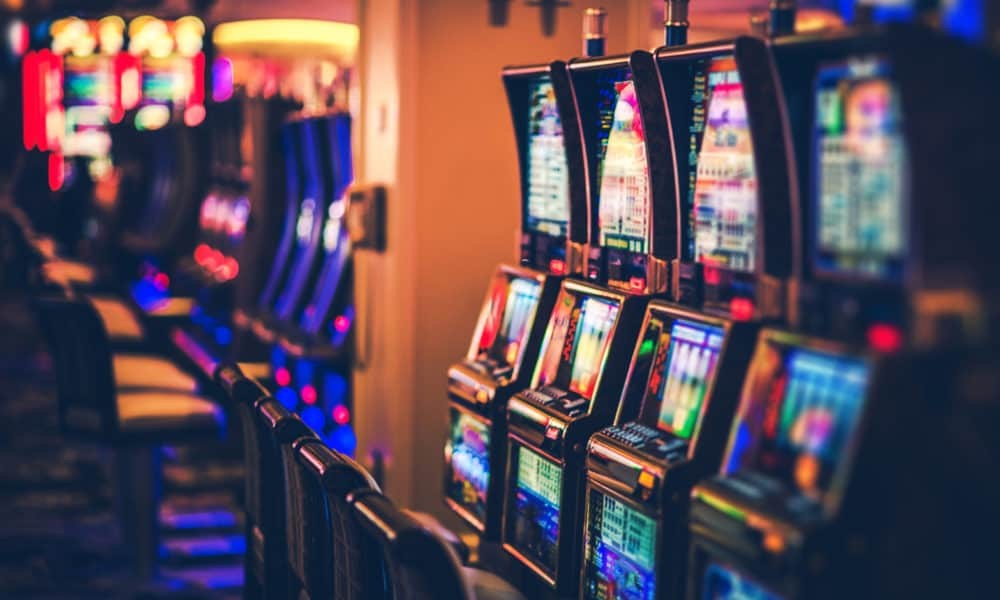
Games with narratives have changed developers’ approach to theme design, moving from visual decoration to immersion. Storylines advances now that players develop characters. Game designers and screenwriters design story arcs and bonus triggers. Creating online slot experiences around storytelling engages players emotionally. Similar to traditional entertainment formats, characters face challenges and triumphs.
Adventure quest narratives
check doitwithoutdues to play tarungtoto describes immersive storylines built around exploration missions, artifact searches, and challenging adventures. Gonzo’s Quest follows a conquistador seeking El Dorado. Multipliers increase with closer proximity to the ultimate goal for each bonus round. A free spin feature symbolises breaching sealed chambers in Book of Dead, depicting an explorer penetrating Egyptian tombs.
- Each location change represents a new story chapter with distinct visual environments
- Progression meters track advancement through narrative milestones
- Unlockable areas appear after players trigger specific symbol combinations
- Map interfaces show the journey path with completed and upcoming destinations
Dead or Alive portrays outlaws on the American frontier, where bonus features feature showdowns and high-stakes confrontations. A narrative framework transforms mechanical outcomes into purposeful story developments.
Character development arcs
- Vikings Go Berzerk introduces warriors who accumulate rage during regular play, eventually transforming into enhanced versions with superior abilities. Players watch meters fill gradually until characters undergo dramatic changes that alter how features behave.
- Immortal Romance features four vampires whose stories unlock sequentially as spin counts increase. Michael’s steady rewards match his disciplined nature, while Sarah’s unpredictable features reflect her volatile personality. Each of Troy and Amber has unique mechanics based on their backstories.
This sequential unlocking creates multiple narrative phases within a single game, where early sessions focus on one character before gradually introducing others as the broader plot develops. Each unlock feels like reaching a new book chapter rather than just accessing another generic feature variant.
Mythology and legend adaptations
Gameplay based on Greek, Norse, and Egyptian myths leverages pre-existing narratives. The game draws from Olympian pantheon stories, assigning each deity thematically appropriate bonus mechanics.
- Zeus triggers lightning-based features with sudden, powerful strikes
- Athena provides strategic advantages through wisdom-themed mechanics
- Poseidon controls ocean-related features with wave and tide imagery
- Aphrodite influences gameplay through charm and persuasion elements
Hall of Gods adapts Norse mythology with Thor, Odin and Freya appearing as symbols whose combinations trigger events from original sagas. The familiarity of these characters eliminates exposition needs, letting developers concentrate on translating mythological moments into interactive mechanics. When Medusa appears and petrifies other symbols, players immediately understand the reference without requiring explanation screens.
Progressive campaign structures
Max Quest introduced persistent progression, where character levels and equipment unlocks carry over between sessions instead of resetting. Players build ongoing relationships with their chosen avatars, watching them grow stronger through accumulated experience across multiple visits. The game tracks individual progress permanently, so each return continues the campaign from its last stopping point.
Certain games implement community-based progression where collective player achievements unlock new story content globally. When the worldwide player base reaches specific milestones or triggers enough combined bonus rounds, fresh narrative chapters open for everyone simultaneously. This shared advancement creates evolving stories that develop over weeks, giving players reasons to check back regularly for new plot developments. The living narrative approach mirrors serialized television more than traditional gaming, where stories resolve completely within single sessions.
